


7 Ways to Make Your Apartment Living Room Look and Feel Bigger
This post may contain affiliate links. Please see my disclosure policy for details.
Living in an apartment often comes with the challenge of limited space. I remember my first apartment; the living room felt more like a hallway where the couch, TV, and coffee table were constantly bumping into each other. It was a cozy, cluttered little box.
Over time, I learned that making a small room feel bigger isn’t about magic—it’s about smart design. It’s about tricking the eye and making every square inch count.
If you’re feeling a bit boxed in, I’m here to share some of the most effective tricks I’ve picked up. These aren’t just abstract design theories; they are practical, actionable tips that can transform your living room from cramped to spacious.
Let’s get started on creating a space that you’ll love to live in. Your style, your space—let’s make it feel grand.
1. Embrace the Power of Mirrors
This might be the oldest trick in the book, but that’s because it works wonders. Mirrors are your secret weapon for creating the illusion of depth. They reflect light and the view, which instantly makes a room feel more open and airy.

I once placed a large, floor-to-ceiling mirror against a wall in a tiny living room, and the effect was immediate. It felt like I had knocked down a wall and added a whole new section to the room.
Think about placing a large mirror on the wall opposite a window. This will not only bounce natural light around the room, making it brighter, but it will also reflect the outdoor scenery, bringing a piece of the outside in.
You can also create a gallery wall of smaller, decorative mirrors for a similar, more artistic effect. Don’t be shy; go as big as you can.
2. Choose Furniture with Legs
When you’re trying to create a sense of space, you want to see as much of the floor as possible. Furniture that sits directly on the floor, like a bulky, skirted sofa, can feel heavy and visually shrink the room.

Instead, opt for pieces with exposed legs. Think mid-century modern sofas, chairs with slender legs, and coffee tables that are elevated off the ground.
Seeing the floor underneath your furniture creates a sense of openness and flow. It allows light and air to move more freely, making the entire room feel lighter.
I switched from a blocky armchair to one with elegant wooden legs, and the difference was astonishing. It was the same amount of seating, but the room suddenly felt less crowded. This simple swap can truly transform your space with confidence.
3. Go Vertical with Your Storage
When floor space is at a premium, the only way to go is up. Using vertical space draws the eye upward, creating an illusion of height and making the room feel taller and more expansive.
Tall, narrow bookcases are a perfect example of this. Instead of a wide, low media console, consider a taller unit that combines storage with a place for your TV.

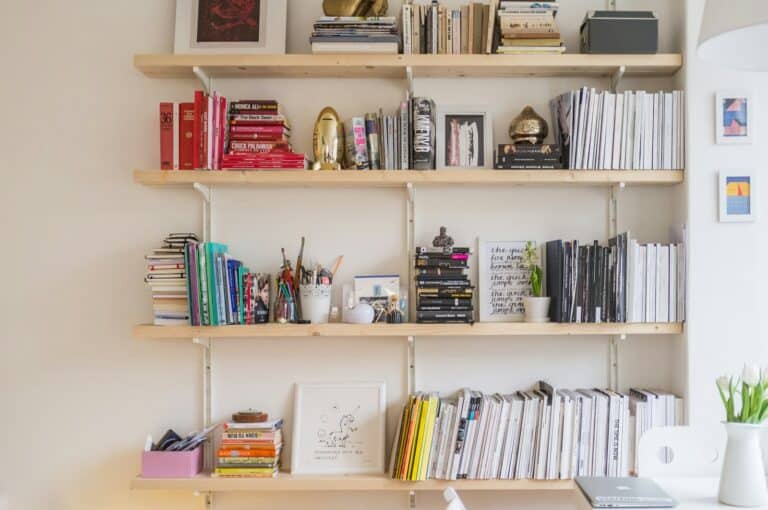
Floating shelves are another fantastic option. They provide storage and display space without taking up any floor real estate. You can arrange them above your sofa or in a corner to showcase books, plants, and decorative items.
This not only frees up the floor but also adds a personalized, curated touch to your walls.
4. Master Your Lighting
A poorly lit room will always feel small and gloomy. Good lighting, on the other hand, can make a space feel open, inviting, and much larger.

The key is to use multiple light sources layered throughout the room. Don’t just rely on a single overhead fixture.
Start with maximizing natural light. Keep your window treatments light and airy. Sheer curtains allow sunlight to filter through while still providing privacy. If you need more coverage, opt for blinds or shades that can be pulled up completely.
Next, add layers of artificial light. A stylish floor lamp can illuminate a dark corner, a table lamp on a side table adds a warm glow, and strategically placed accent lighting can highlight artwork or architectural features.
A well-lit room feels more dynamic and spacious.
5. Stick to a Light and Cohesive Color Palette
Dark, heavy colors can absorb light and make a room feel closed in. To create a sense of openness, stick to a lighter color palette. Whites, creams, light grays, and soft pastels are excellent choices for walls because they reflect light and make the space feel brighter and more expansive.

This doesn’t mean your room has to be boring. You can introduce pops of color through accessories like pillows, throws, artwork, and rugs.
The trick is to maintain a cohesive look. A unified color scheme helps the eye move smoothly around the room, preventing it from feeling choppy or broken up.
If you love bold colors, consider painting a single accent wall and keeping the others light to create a focal point without overwhelming the space.
6. Select Multi-Functional and Appropriately Scaled Furniture
In a small living room, every piece of furniture should earn its keep. Look for items that can serve more than one purpose.
An ottoman with hidden storage can act as a coffee table, extra seating, and a place to stash blankets or magazines. A nesting set of coffee tables can be expanded when you have guests and tucked away to save space when you don’t.

It’s also crucial to choose furniture that is scaled correctly for the room. A massive, overstuffed sectional might be comfortable, but it will devour a small living room. Instead, look for apartment-sized sofas and slim-profile armchairs.
A common mistake is thinking you need tiny furniture for a tiny room. Sometimes, using fewer, larger pieces can make a room feel less cluttered than filling it with many small ones. It’s all about finding that perfect balance.
7. Use Rugs to Define the Space
A well-placed rug can work magic in a small living room. It can define the seating area and anchor the furniture, making the layout feel intentional and organized.

Many people make the mistake of choosing a rug that’s too small. A tiny rug floating in the middle of the floor can actually make the room feel smaller.
The rule of thumb is to choose a rug large enough so that at least the front legs of your sofa and chairs are on it. This creates a unified and cohesive zone that makes the entire area feel larger and more pulled-together.
A light-colored or subtly patterned rug can also contribute to the overall sense of brightness and space.
Your Space, Transformed
Creating a living room that feels spacious and inviting is entirely within your reach. It doesn’t require a huge budget or a major renovation—just some thoughtful planning and a few clever design choices.
By using mirrors, choosing the right furniture, and playing with light and color, you can inspire a dramatic transformation.
Dive in, experiment with these ideas, and discover your own decor identity. Inspiration awaits, and soon you’ll have a living room that feels as big as your style.